Outtakes
Liner notes from the archives
The Natchez Rhythm Club Fire
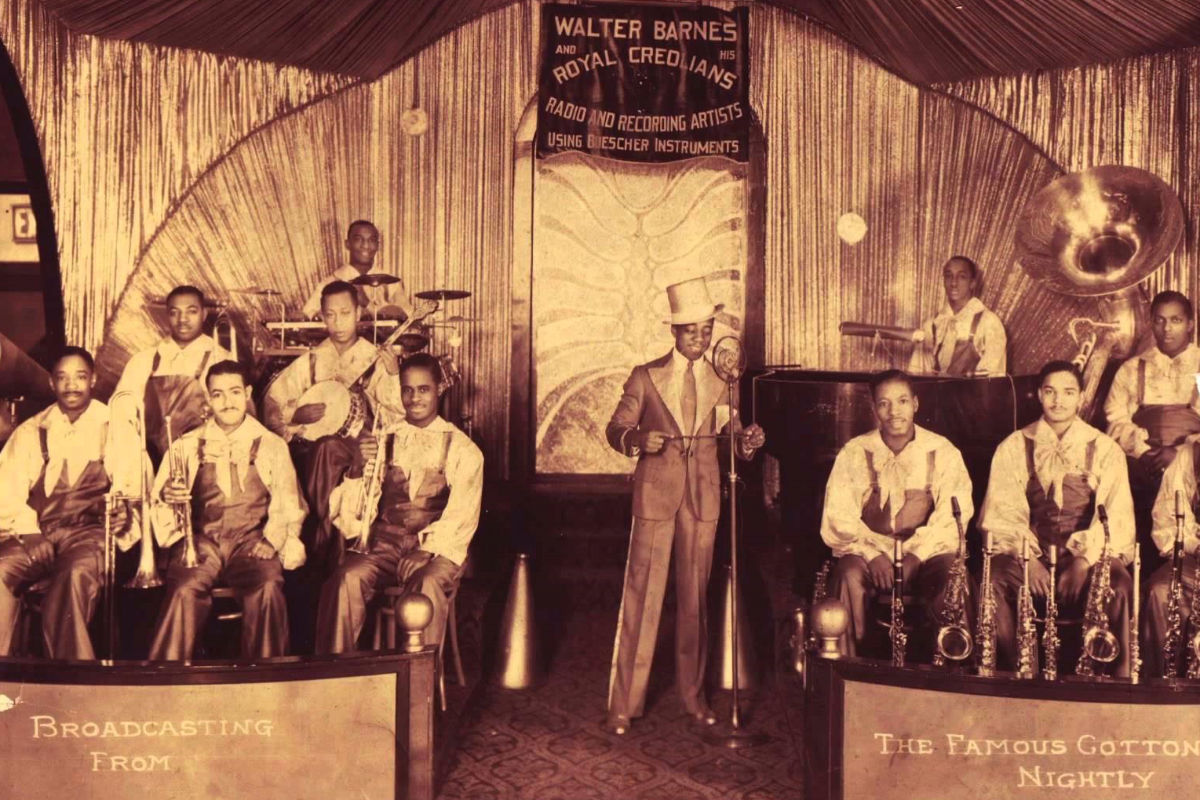
Disaster struck Natchez, Mississippi the night of April 23, 1940. About 300 mostly African-American dancers packed the Rhythm Club to swing to the popular Walter Barnes and His Royal Creolians Orchestra.
Jimmie Lunceford's Memphis
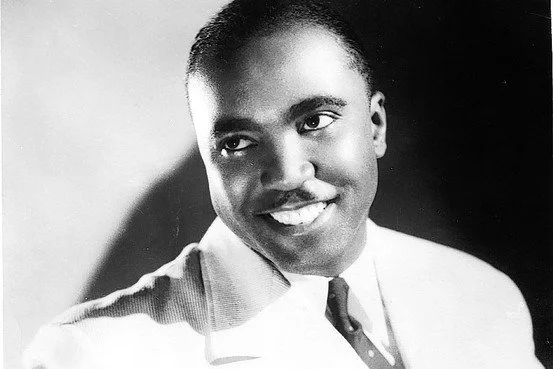
Lunceford made his mark here, as so many other unheralded makers of the Memphis Sound have, as a high school bandleader. He taught at Manassas in North Memphis. A historic marker out front of the school commemorates Isaac Hayes, but no public display of affection for the onetime king of swing.
![Memphis loses [another] music landmark](https://images.squarespace-cdn.com/content/v1/64a320499761801ef39f38bf/1783723706683-J5VZ079XCOEWR6H05WJ3/lunceford.jpg)
Memphis loses [another] music landmark
The desecration of the Jimmie Lunceford’s house.
Homes of the Stars! Memphis Style
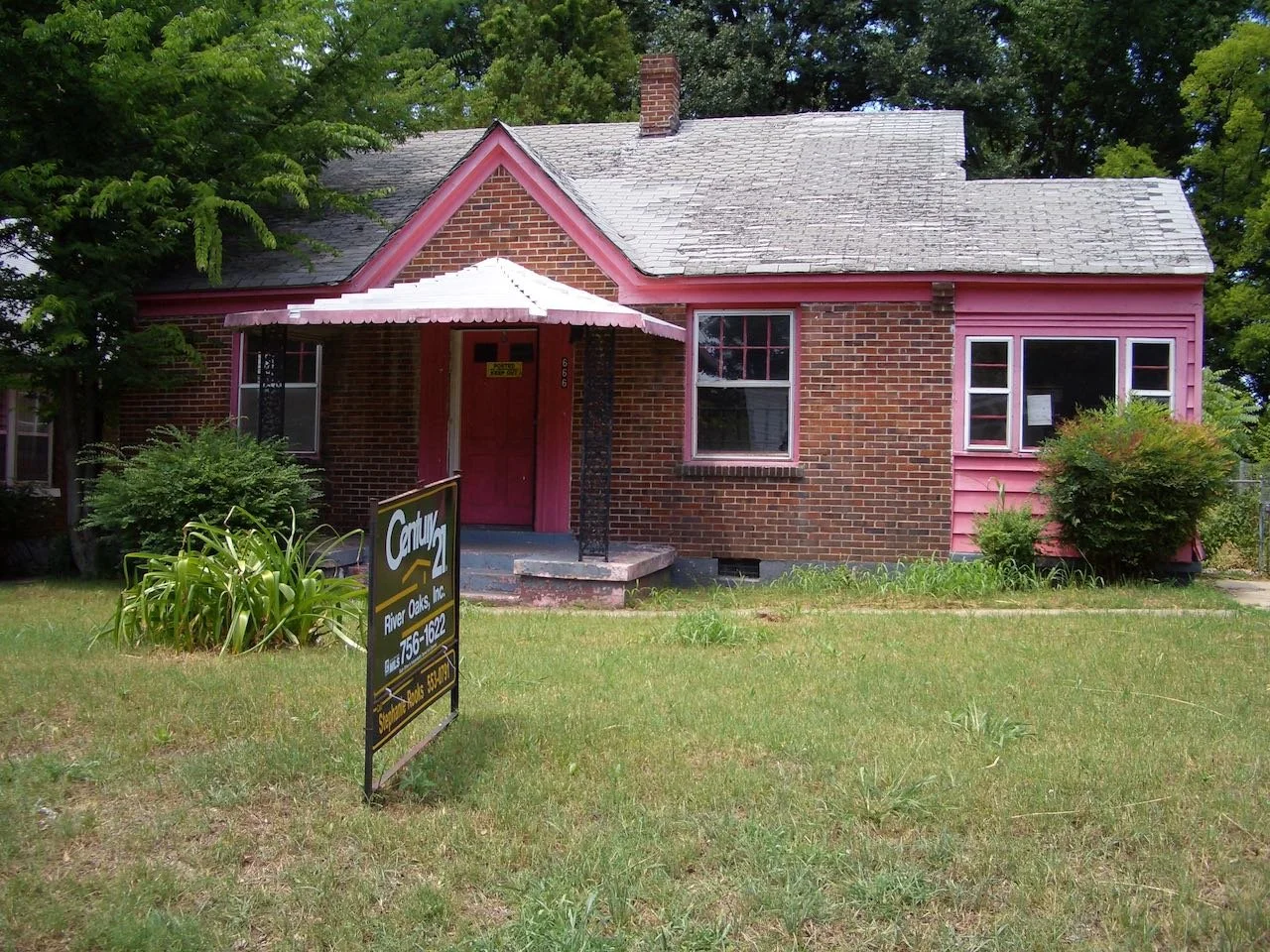
Behold the boyhood home of Booker T. Jones at 666 Edith Street. It's about a block from a great story of resurrected history, the Stax Museum of American Soul Music, built on the vacant lot where Stax Records once stood. Anyhow, you get a feel for the proximity of young Booker T. to the studio. He hung around the Satellite Record Shop adjacent to the recording studio until he caught on as a session musician at Stax. There he helped lay the foundation for Southern Soul. Visitors to the museum should visit this site to develop a greater feel for the roots of soul music that a museum just can't convey. By the way, Aretha's birthplace is under a mile from here, other side of McLemore Avenue and Stax.
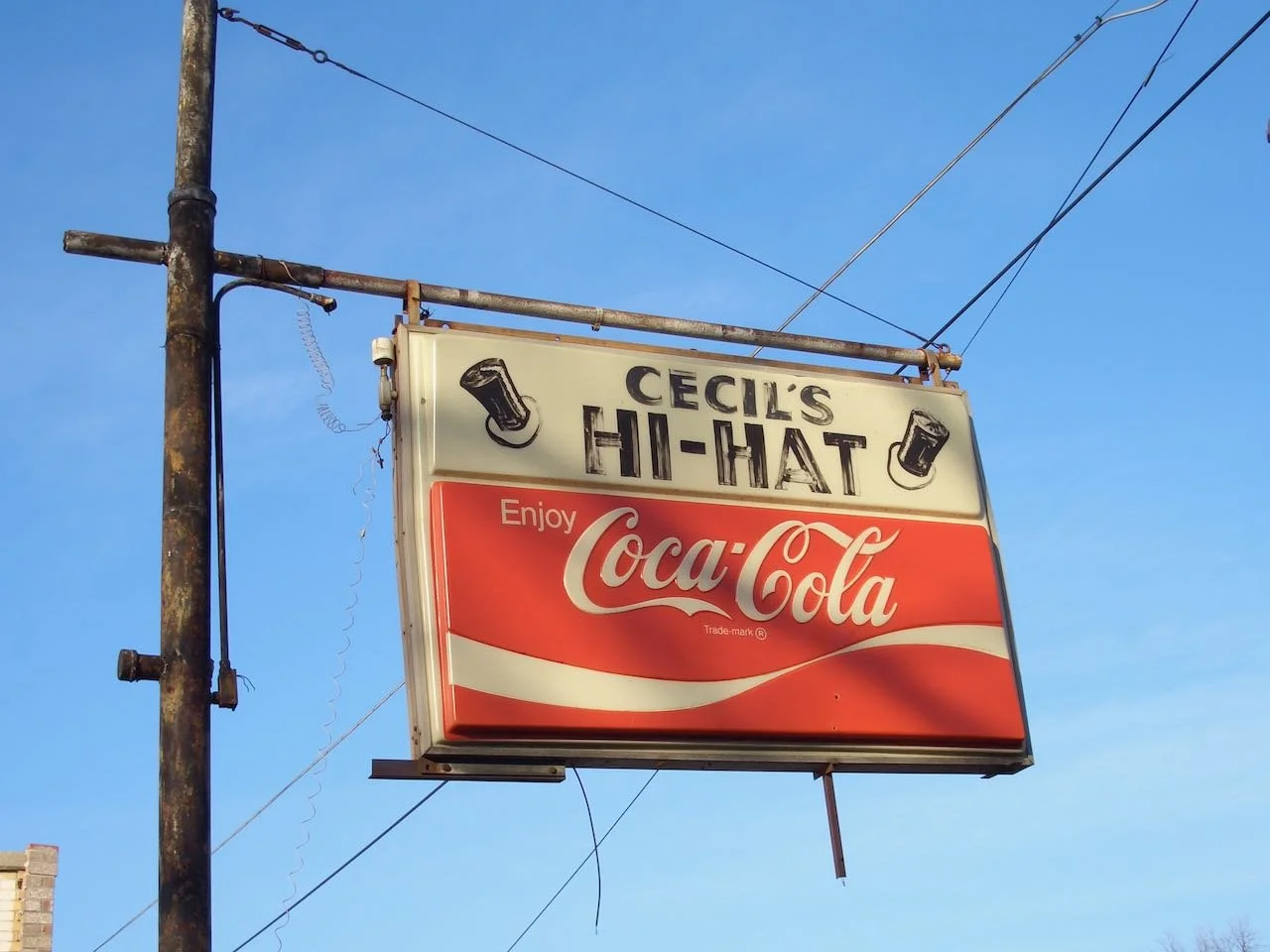
Chitlin’ Circuit & Southern Soul Venues, Lounges of Memphis and North Mississppi
In 2007 Preston Lauterbach documented a variety of Southern and Soul and Chitlin’ Circuit venues while working on his book, The Chitlin’ Circuit and the Road to Rock and Roll. These are some of those 2007 profiles, rescued from obscurity.
![Beale Street Stories: Sweet Willie Wine [Archive]](https://images.squarespace-cdn.com/content/v1/64a320499761801ef39f38bf/1783634228642-62JDVNRY7ML9ES0FD18I/SweetWillieWine.jpg)
Beale Street Stories: Sweet Willie Wine [Archive]
One of the great characters of Beale Street lore is Sweet Willie Wine. He worked the street as a booster, pickpocket, and con man, got locked up in the state penitentiary at Nashville, and returned to the street after his release in the midst of the race riot that preceded Martin Luther King’s assassination. The experience converted the crook into an activist, but he managed to keep his visibility high among both constituencies. Here’s Sweet Willie Wine’s (he is now known as Minister Suhkara Yahweh) poignant recollection, from our recent interview, of a particularly hair-curling set of circumstances that led some humble folk of Forrest City, Arkansas to believe he was the Messiah in summer 1969.
![Ya’ Got No Competition [Archives]](https://images.squarespace-cdn.com/content/v1/64a320499761801ef39f38bf/1783633454446-U7NM0RX14RROV63E9DMP/saxkariold.jpg)
Ya’ Got No Competition [Archives]
When I got him on the phone, Sax laughed at the idea of me writing the history of the chitlin’ circuit. He said: “I worked for the man who invented the chitlin’ circuit.” But he welcomed me to come see him in Florida all the same, and in fall 2005, I did.
![Chitlin’ Circuit Landmark: Club Desire [Archive]](https://images.squarespace-cdn.com/content/v1/64a320499761801ef39f38bf/1783634363739-IUF2WTCIJRMR2HG40TGJ/clubdesire.jpg)
Chitlin’ Circuit Landmark: Club Desire [Archive]
New Orleans is the American capital of lush dilapidation. One arresting example of a vacant building with stories to tell sits at 2604 Desire Street in the Upper Ninth Ward: Club Desire.
The 1952 Federal Writers’ Project New Orleans City Guide mentions the club, saying, “Some of the Negro night clubs are patterned after those of Harlem, while others are no different than those patronized and operated by white people. Usually the music is ‘red hot’….”
![Chitlin’ Circuit Landmark: The Bronze Peacock [Archives]](https://images.squarespace-cdn.com/content/v1/64a320499761801ef39f38bf/1783634265656-FMGT6ZOB8AQMBZAY4BJG/bronzepeacock.jpg)
Chitlin’ Circuit Landmark: The Bronze Peacock [Archives]
Don Robey put Houston on the chitlin’ circuit map in the mid-1930s, when he operated a series of downtown nightclubs. One, the Harlem Grill, stood on W. Dallas Avenue, the Houston stroll, then the nexus of black business and culture, now an interstate on-ramp. There’s no evidence of ’30s black Houston’s pomp and prosperity, no signage, nothing.
![Chitlin’ Circuit Landmark: W.C. Handy Theatre [Archives]](https://images.squarespace-cdn.com/content/v1/64a320499761801ef39f38bf/1783634923415-4H694Q91QBO66HIXF41E/ClubHandyTicket.jpg)
Chitlin’ Circuit Landmark: W.C. Handy Theatre [Archives]
The broke-down orange building at 2535 Park in Orange Mound is one of the silent witnesses to Memphis music history. It opened in 1946 as the W.C. Handy Theatre, with investors including future Holiday Inn founder Kemmons Wilson, and blackface entertainer Chalmers Cullins to “showcase the finest in Negro entertainment,” in the language of the day. They hired longtime Beale Street band booker Robert Henry to provide said entertainment.
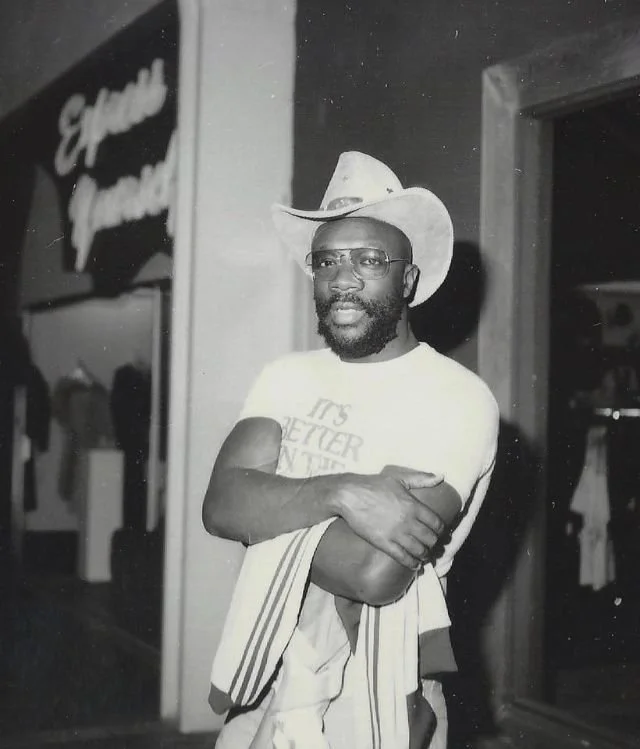
On Isaac Hayes’ 70th: Remembering Currie’s Club Tropicana and Isaac Hayes’ debut
Memphis music geography centers on Beale Street downtown, but blues, jazz, rock ‘n’ roll, and soul have spilled out onto Thomas Street in the section of North Memphis called New Chicago since before WWII. It manages to stay well-hidden from the rest of the city– it’s not on the approved list of tourist attractions despite a rich history. Currie’s Club Tropicana on Thomas was the site of Isaac Hayes’ debut.