Outtakes
Liner notes from the archives
![Chitlin’ Circuit Landmark: Club Desire [Archive]](https://images.squarespace-cdn.com/content/v1/64a320499761801ef39f38bf/1783634363739-IUF2WTCIJRMR2HG40TGJ/clubdesire.jpg)
Chitlin’ Circuit Landmark: Club Desire [Archive]
New Orleans is the American capital of lush dilapidation. One arresting example of a vacant building with stories to tell sits at 2604 Desire Street in the Upper Ninth Ward: Club Desire.
The 1952 Federal Writers’ Project New Orleans City Guide mentions the club, saying, “Some of the Negro night clubs are patterned after those of Harlem, while others are no different than those patronized and operated by white people. Usually the music is ‘red hot’….”
![Chitlin’ Circuit Landmark: The Bronze Peacock [Archives]](https://images.squarespace-cdn.com/content/v1/64a320499761801ef39f38bf/1783634265656-FMGT6ZOB8AQMBZAY4BJG/bronzepeacock.jpg)
Chitlin’ Circuit Landmark: The Bronze Peacock [Archives]
Don Robey put Houston on the chitlin’ circuit map in the mid-1930s, when he operated a series of downtown nightclubs. One, the Harlem Grill, stood on W. Dallas Avenue, the Houston stroll, then the nexus of black business and culture, now an interstate on-ramp. There’s no evidence of ’30s black Houston’s pomp and prosperity, no signage, nothing.
![Chitlin’ Circuit Landmark: W.C. Handy Theatre [Archives]](https://images.squarespace-cdn.com/content/v1/64a320499761801ef39f38bf/1783634923415-4H694Q91QBO66HIXF41E/ClubHandyTicket.jpg)
Chitlin’ Circuit Landmark: W.C. Handy Theatre [Archives]
The broke-down orange building at 2535 Park in Orange Mound is one of the silent witnesses to Memphis music history. It opened in 1946 as the W.C. Handy Theatre, with investors including future Holiday Inn founder Kemmons Wilson, and blackface entertainer Chalmers Cullins to “showcase the finest in Negro entertainment,” in the language of the day. They hired longtime Beale Street band booker Robert Henry to provide said entertainment.
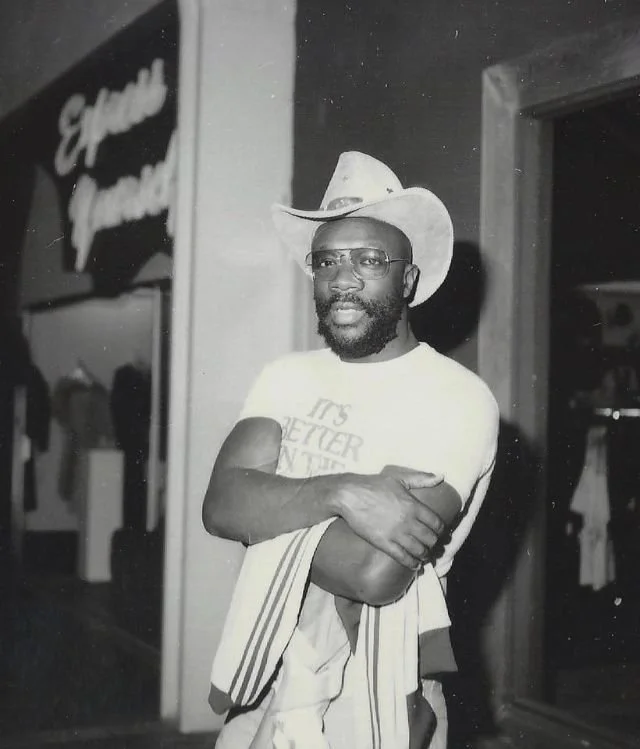
On Isaac Hayes’ 70th: Remembering Currie’s Club Tropicana and Isaac Hayes’ debut
Memphis music geography centers on Beale Street downtown, but blues, jazz, rock ‘n’ roll, and soul have spilled out onto Thomas Street in the section of North Memphis called New Chicago since before WWII. It manages to stay well-hidden from the rest of the city– it’s not on the approved list of tourist attractions despite a rich history. Currie’s Club Tropicana on Thomas was the site of Isaac Hayes’ debut.